

- Home
- Articles & News
- For now, coal is here to stay
For now, coal is here to stay
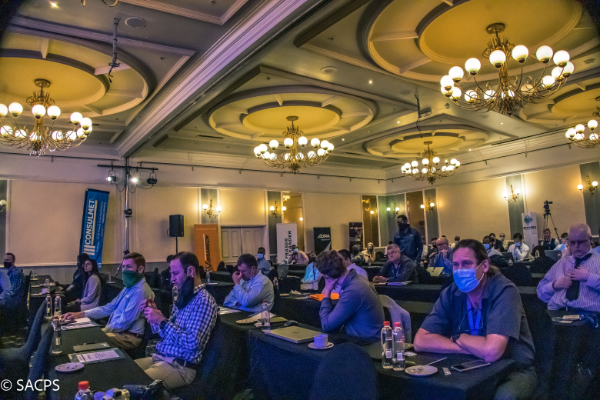
Frikkie Enslin, Applications Manager – East, MPE, reports back on The 2021 Southern African Coal Processing Society (SACPS) Conference.
The Southern African Coal Processing Society (SACPS) Conference is held bi-annually for those involved in coal processing to review equipment and processes in coal preparation. It was held from 12 – 14 October 2021 at the Graceland Casino in Secunda. The conference includes exhibitions from key mineral companies: Consulmet, DRA, Fraser Alexander, Multotec, Vibramech, and Weir Minerals. Most of the papers presented describe developments in coal preparation devices and also covered coarse coal sorting, vibrating screen design and simulation, dry beneficiation, cyclones, spirals and classifiers, fine coal flotation, flocculants and the Radflow thickener, slurry pumping, ash management and coal property, and flow measurement.
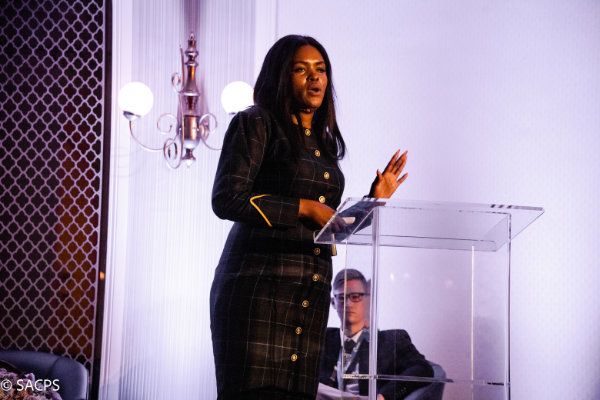
The 2021 Conference took place at a very controversial time for the coal industry, as there is intense international pressure to shut down coal power generation due to its contribution to climate change. In response, there is a closer examination of the impact of renewable energy on reliable and economic electricity generation, and a review of alternative products from coal that include chemicals and carbon products. One of the keynote speakers (Dr Ian Reid from the International Centre for Sustainable Carbon) focused on exactly this topic. Dr Reid’s paper entitled “Non-energy uses of coal”, highlights the growth in coal chemicals and carbon products that include carbon fibre and nanocarbon materials, and their application across various industries.
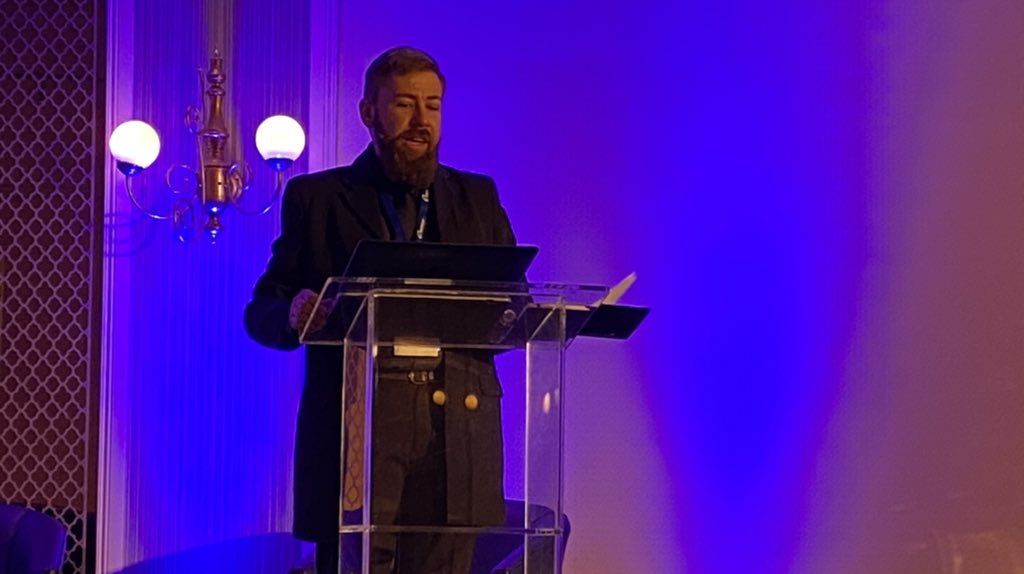
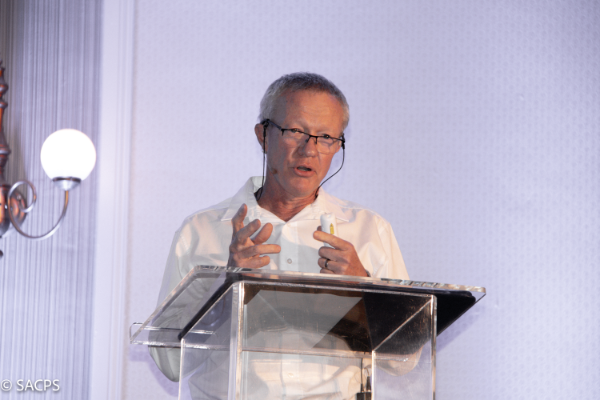
Another very interesting presentation was a keynote paper prepared by Dr Lars Schernikau of HMS Bergbau. In his presentation he discussed prospects for the global coal market which, controversially, challenges current thinking on the replacement of coal power by renewables in order to address climate change. Intermittent renewables’ contribution is requiring costly investment in infrastructure and energy storage, not reflected by solar panel and wind turbine costings, especially as renewable energy takes a larger market share. The global availability of suitable wind speeds is shown to have lessened over Central Europe and Asia, while solar intensity limitations mean that China requires a relatively high solar capacity due to low utilisation.
Based on Germany’s experience, the main conclusion for South Africa is that the planned reduction of coal-based generation from 40 GW to 30 GW by 2040, means that current shortages of electricity will be exacerbated. This is because it cannot be economically replaced by renewable generation even though South Africa is well served by solar radiation.
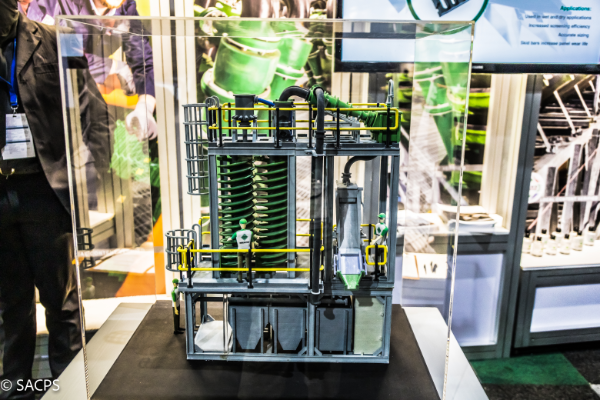
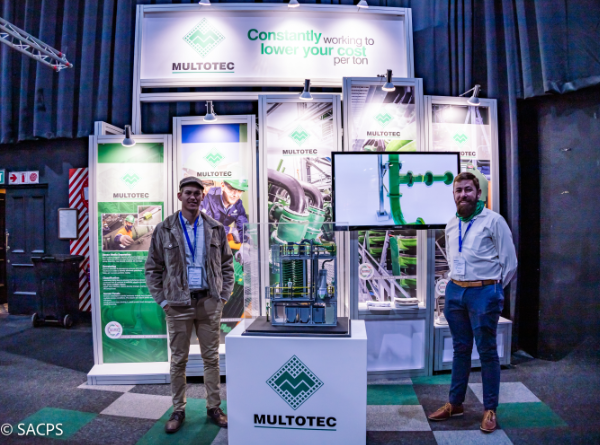
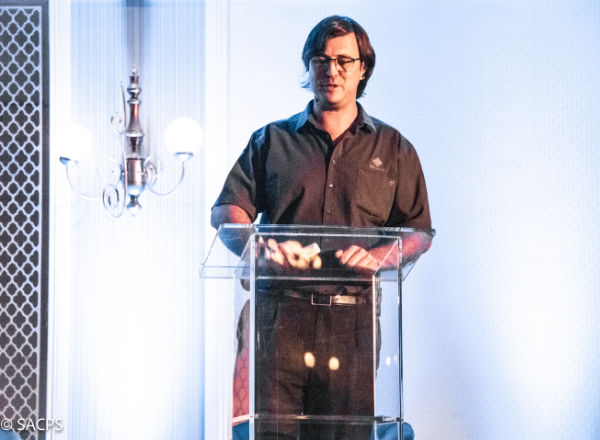
Multotec was once again very well represented at the conference, with a beautiful stand and not only one, but four papers prepared and presented. The title of the paper I presented was “The importance of ‘mundane’ aspects of cyclone operation”, whilst Christina Ramotsabi presented on “Low cut SX10 spiral and Optima classifier combination. Optimising a fine coal processing circuit”. Willem Slabbert showed off our sampling muscles with his paper entitled: “Cross belt sampler: Mechanical design of possibly the world’s largest hammer sampler.” And what would any coal processing plant be without a few Multotec screen panels? Francois Fouche presented on our recent screen media developments relevant to coal processing plants.
Although this was the first time that the SACPS hosted a hybrid conference (due to COVID-19 regulations), it was very well organised and overall a good experience for all those who attended, whether in person or virtually. We would like to see more clients and coal producers attend the Conference in the future. The quality of the papers and presentations was of a very high standard and the organisers and presenters should be very proud of the event. At the end of the day, we know that the coal market is under tremendous pressure, but for now, coal fired power stations still form the backbone of energy supply in South Africa. We just need to ensure that we investigate, develop and implement cleaner methods to process and utilise coal in our beautiful country.