

- Home
- Articles & News
- Gold: From rock to revenue – where Multotec makes the difference
Gold: From rock to revenue – where Multotec makes the difference
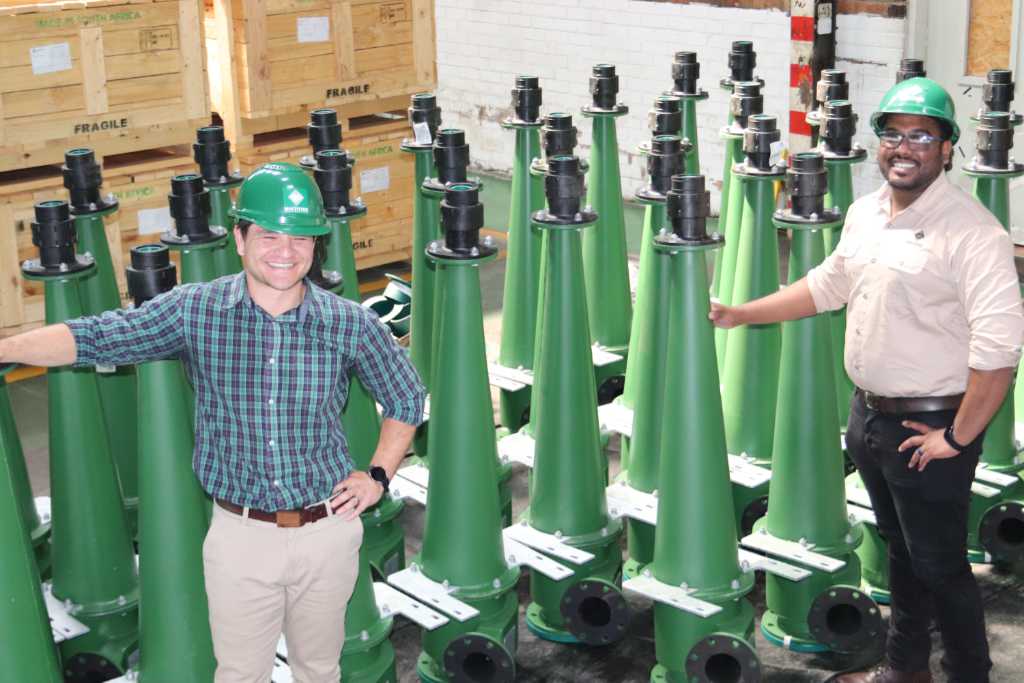
Few minerals carry the history, influence, and enduring demand of gold. Behind every bar lies a journey that begins in the earth’s crust and travels through complex processing stages before reaching the global market.
Taking a closer look at this journey reveals how the industry is changing, why precision remains essential, and how Multotec’s technologies support mines in extracting maximum value.
Gold continues to shape mining practices, operational strategies and technological innovation. Its importance in the global economy is undeniable, from long-term investment security to its diverse industrial, medical and technological uses. But behind the value lies a complex chain that starts with exploration and mineralogy, moves through metallurgical processes, and ends in refining and sales.
The geological story of gold
Gold is unevenly distributed across the earth, and each deposit carries its own mineralogical character. Understanding these variations is essential when selecting the most suitable extraction and processing methods.
South Africa’s gold history is rooted in the Witwatersrand Basin Supergroup, which covers Gauteng, the Free State, and parts of the North West. However, some operations fall outside the Basin, such as the Kalahari Goldridge opencast mine near Mahikeng. As a result, gold producers across these regions face differing challenges in ore hardness, grade, liberation, and mineral associations.
Exploration teams rely on detailed geological modelling to determine:
- Where gold occurs
- How it is locked within the ore
- What this means for plant design and recovery
Mineralogy ultimately drives the entire downstream flowsheet from comminution decisions to the selection of gravity, flotation, leaching, and recovery technologies.
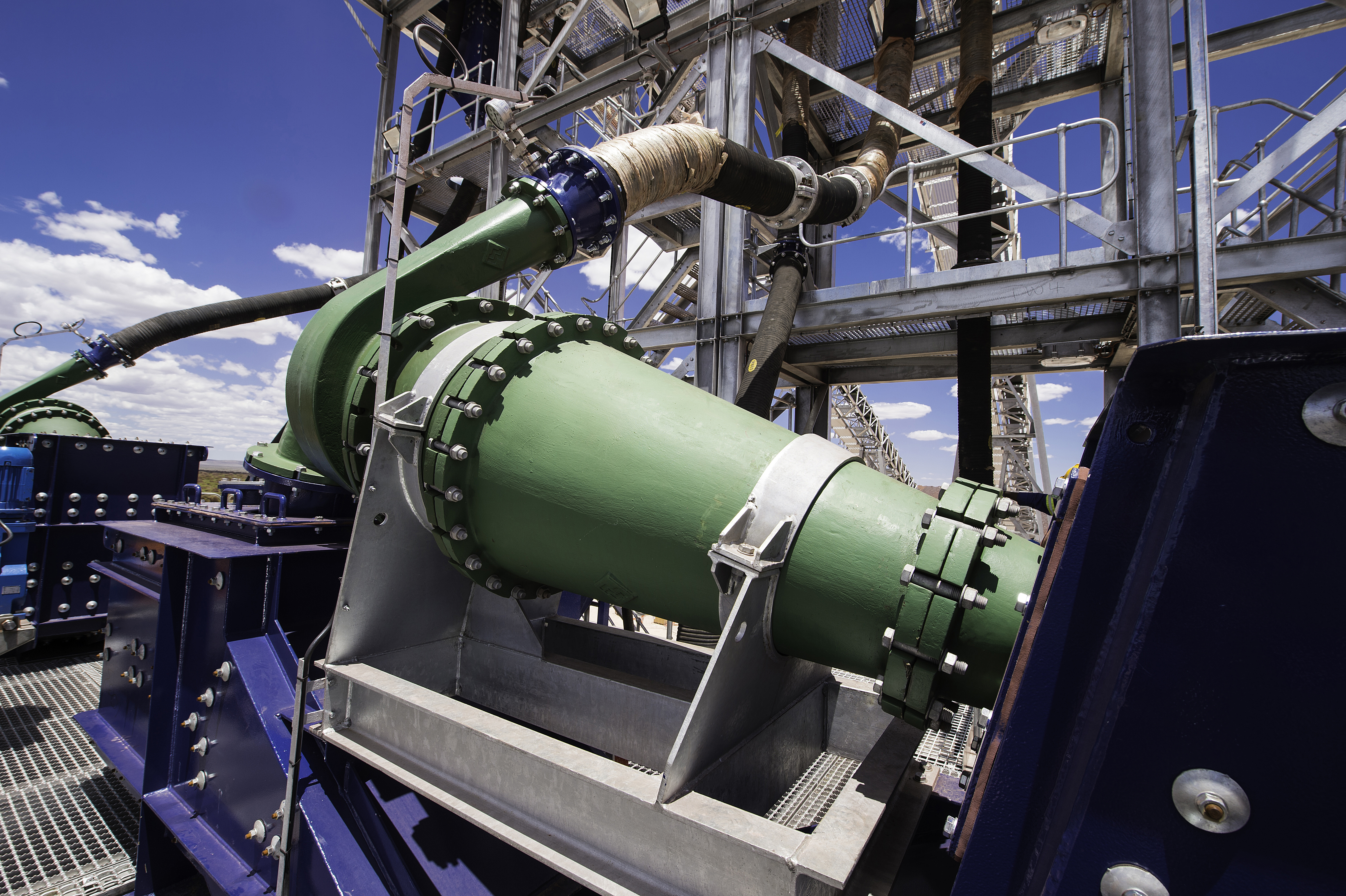
How gold is mined and processed
Modern gold operations deal with complex and variable ore bodies, often requiring a combination of technologies to achieve optimal recovery.
Metallurgy plays a central role in determining:
- How gold is liberated
- Which recovery routes will deliver the best financial return
- How plant performance can be stabilised and optimised
Depending on the ore characteristics, gold plants may use gravity concentration, leaching circuits, CIP or CIL processes, electrowinning and smelting.
Each stage demands precision, control and consistency, and this is where Multotec’s solutions add real value. Our equipment enables improved separation efficiency, higher recoveries and more reliable plant operation.
The crucial role of sampling
One of the strongest themes in the gold industry today is the critical importance of accurate and defensible sampling.
As grades decline and costs rise, sampling becomes the foundation of all reporting, metallurgical accounting and decision-making. Inaccurate sampling can distort recovery figures, hide losses or misrepresent plant performance.
Historically, when underground grades were significantly higher, sometimes exceeding 30 to 40 g/t, small sampling inaccuracies made little difference. Today, with many operations working at far lower grades, even minor errors can be extremely costly. Accurate sampling protects revenue, strengthens metallurgical confidence, guides process improvement, and reduces disputes between mine and plant teams.
Re-mining of historical tailings adds another layer of complexity. These dumps often contain highly variable, low-grade material, making precise sampling absolutely essential for financial and operational certainty.
There is no ISO (International Organisation for Standardisation) for gold because ore characteristics vary significantly across the world. There is not enough corroborated data to establish a universal standard. Even ores of the same type, mined from the same area, can differ considerably. This variability is one of the key factors that makes gold sampling particularly challenging.

Where gold goes after processing
Once gold is recovered, refined into doré bars and dispatched, its journey continues along the global supply chain. Bars are transported to refineries, where impurities are removed, and gold enters worldwide markets.
Prices fluctuate daily based on international trading, currency movements, supply and demand trends, and broader macroeconomic conditions. This is why even a small improvement in plant recovery can have a significant financial impact, especially at high throughput operations.
Technological advancements and the future of gold
The gold sector is evolving rapidly as mining companies seek improved efficiency, better recoveries and more resilient operations.
New technologies continue to influence how plants operate, including:
- Automation
- Advanced process control
- Improved sampling systems
- High-efficiency separation equipment
Re-mining of historical tailings has also grown substantially, driven by:
- Improved extraction technologies
- Stronger gold prices
- The environmental benefit of rehabilitating legacy sites
This provides new opportunities for Multotec to supply purpose-built spirals, cyclones, screening equipment and sampling solutions designed specifically for variable tailings material.
Understanding gold from a full value-chain perspective – from its geological origins to its role in the global economy – empowers mining teams to make informed decisions that improve plant performance, strengthen metallurgical control and maximise recovery.
For Multotec, this knowledge shapes the way we design, innovate and support our gold-sector customers. By staying close to industry trends and plant challenges, we continue to deliver solutions that help extract the most value from every tonne of ore.